
Basement Remodels
Converting Unfinished Below-Grade Space Into Usable Rooms
Basement remodels in Denver and the surrounding areas for unfinished concrete floors and exposed studs limiting livable space.
Grove Structures transforms unfinished basements into functional living areas for homeowners who need more space without building an addition. Many start with basements that have bare concrete floors, exposed insulation, and no climate control—spaces limited to storage. Our process includes framing walls, installing insulation and moisture barriers, running electrical and HVAC systems, finishing floors and ceilings, and designing layouts that support guest suites, home offices, entertainment areas, or gyms. This service is tailored for homeowners in Denver and the surrounding areas looking to maximize their existing square footage without altering the home’s exterior structure.
The remodel begins with a detailed moisture assessment and code-compliant egress planning. Basement windows may be expanded or added to meet safety requirements, while drainage systems are evaluated to prevent water intrusion. Insulation is installed along exterior walls for temperature control, and subfloor systems create a thermal barrier over concrete slabs. Framing defines the space, and drywall is installed after electrical rough-ins and inspections are completed.
If your basement is underutilized and you’re ready to expand your living space, contact Grove Structures to discuss layout options and project timelines.
How Below-Grade Spaces Are Finished Properly
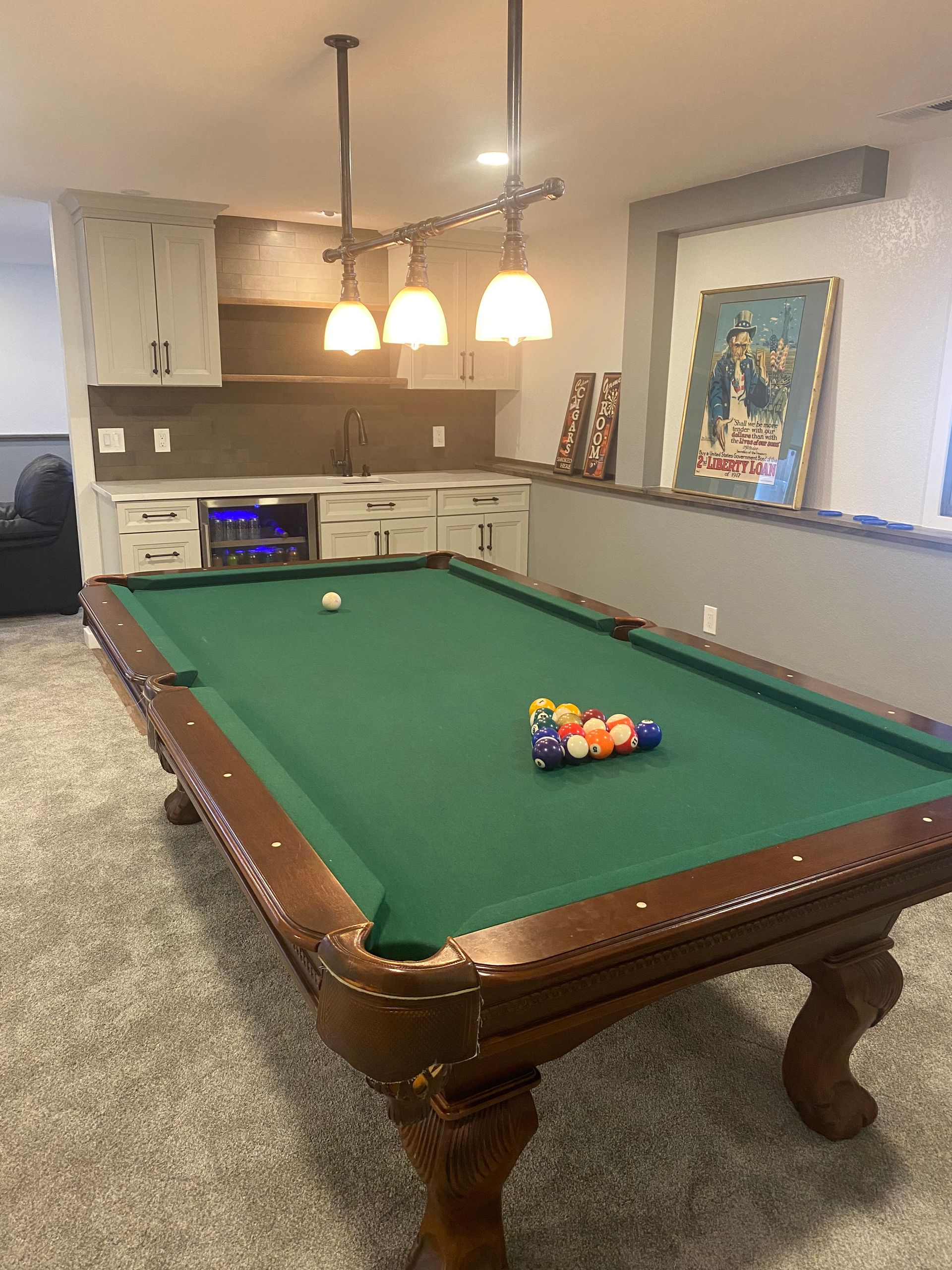
You decide how the basement will function, and the layout is designed accordingly. Guest suites require plumbing for bathrooms, which involves cutting into the concrete slab to run drain lines. Entertainment areas need sufficient electrical outlets and dedicated circuits for media equipment. Home offices require adequate lighting and ventilation to meet the same comfort standards as upper floors. Flooring options include engineered wood, luxury vinyl, or carpet over moisture-resistant underlayment to prevent mold and odors.
After the remodel, you walk downstairs into a space that feels like part of the main house. Walls are smooth and painted to match your chosen palette, ceilings are finished with drywall or drop tiles depending on access needs, and climate control keeps the temperature stable year-round. Lighting is distributed evenly, and egress windows bring in natural light while meeting safety codes. The basement now adds usable square footage that can be occupied daily or used for guests and hobbies.
Basement remodels vary in duration based on size and scope. Plumbing rough-in and concrete work add time, and inspections are required before walls are closed. Moisture control measures are non-negotiable in Denver, where snowmelt and spring runoff can create hydrostatic pressure against foundation walls.
What Homeowners Ask About Basement Finishing
Common questions involve moisture management, egress requirements, and how mechanicals are integrated into the finished space.
- What happens if the basement has a history of water intrusion?
Exterior drainage is evaluated, sump pumps are installed or upgraded, and interior waterproofing membranes are applied before framing begins to prevent future moisture problems. - How do egress windows differ from standard basement windows?
Egress windows must meet minimum size and height requirements to allow emergency exit, and window wells are installed with ladders or steps for safe access. - When is a bathroom added to a basement remodel?
Bathrooms require breaking into the slab to install drain lines, which is planned during the design phase and completed before the concrete is patched and subfloor is laid. - Why is insulation critical in below-grade remodels in Denver and beyond?
Uninsulated basement walls lose heat rapidly in winter and create cold spots, so rigid foam or batt insulation is added to maintain comfort and reduce energy costs. - What is not included in a standard basement finish?
Structural foundation repairs, radon mitigation systems, and exterior waterproofing are separate scopes unless identified during initial assessment and contracted separately.
Grove Structures helps families turn unused basement space into rooms that support growing households or rental income potential. Reach out to review your basement's current condition and explore finishing options that match your intended use.